
By Dr. Jackie Wirz, Executive Director, Link Oregon
The first few weeks of spring were a flurry of activity as I zig-zagged across Seattle, Monterey, Chicago, and Oregon to attend several conferences and meetings where research, education, library, and network operator communities were represented. Each gathering had its own focus, but what struck me most wasn’t the differences — it was the shared signals. Across rooms full of network engineers, educators, librarians, researchers, and policymakers, it became clear that the emerging era for Research and Education Networks (RENs) is moving rapidly beyond “bigger pipes” toward a much more human‑ and outcomes‑centric view of infrastructure.
Bandwidth and speed still matter, but RENs nationwide are now squarely focused on what infrastructure enables: research outcomes, better learning experiences, institutional resilience, workforce preparedness, and community impact. At the Internet2 Community Exchange in Chicago, participants agreed that regional cooperation through RENs enables stakeholders to share expertise, builds broader coalitions — from K‑12 to libraries and museums — and strengthens positioning for impact and funding. To do that, though, we must lead with intentional relationship‑building.
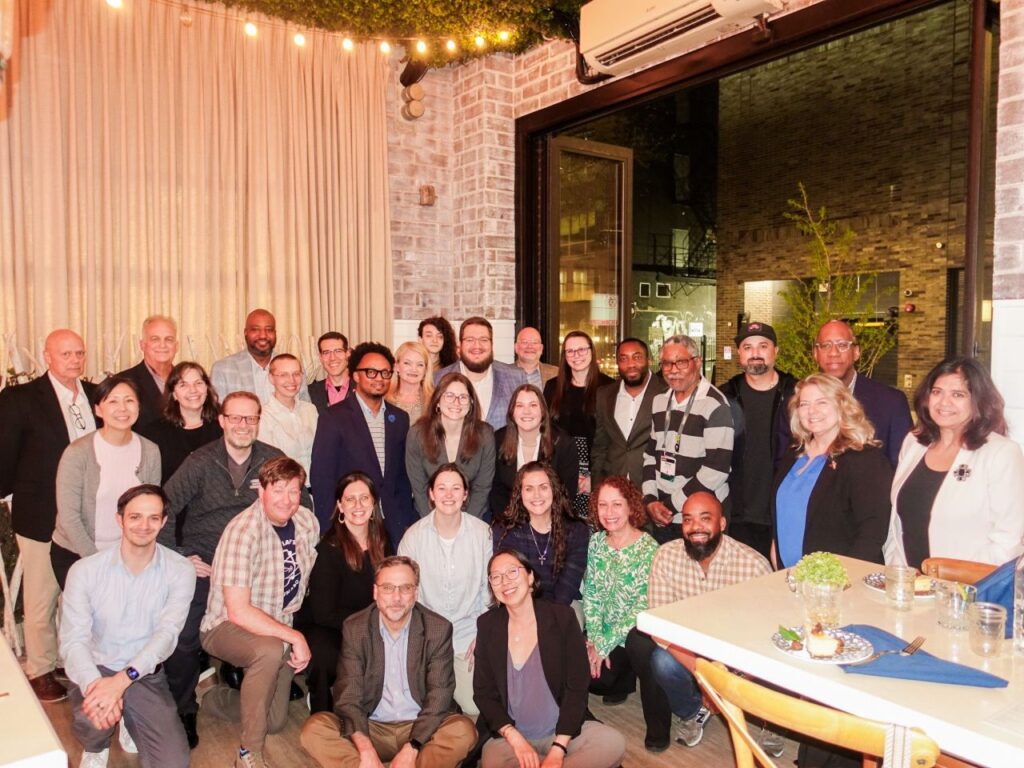
The Pacific Northwest GigaPop’s Advisory Committee meeting offered a window into a REN focused primarily on research connectivity, and into developments in places like Wyoming, Alaska, and Idaho — from early AI pilots to infrastructure upgrades and new partnerships aimed at improving connectivity and educational access. Lots of takeaways for Link Oregon!
A common thread across all these conversations is that RENs nationwide are eager to move up the technology value stack — beyond transport and transit — toward cloud and compute access, AI‑enabled workflows, and identity and trust frameworks. No two RENs are exactly alike, but many RENs are increasingly focusing on what value‑maximized services look like for the communities they serve. But the value of a REN can exceed the technology value stack into true ecosystem leadership.
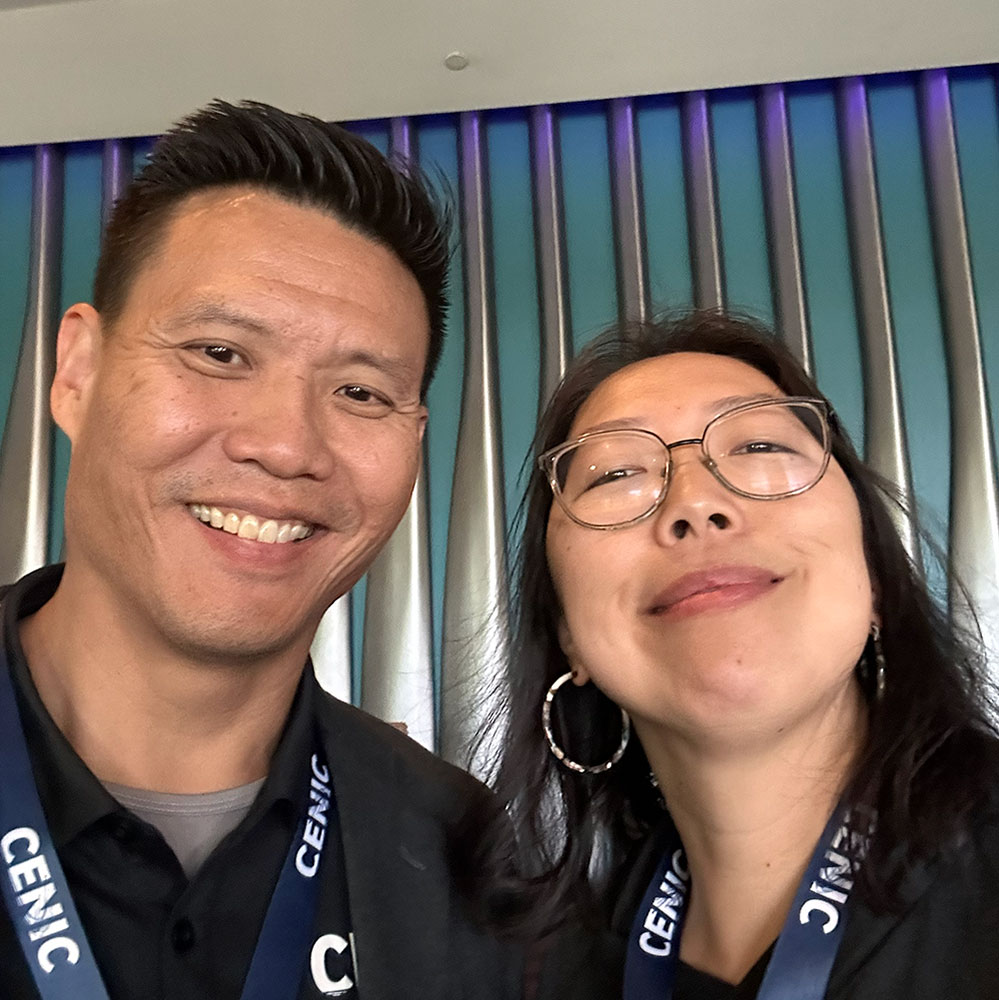
Community connection and impact emerged as the clearest metric of success. At CENIC’s annual conference, sessions highlighted what a mature REN ecosystem can accomplish across communities, and underscored the importance of human capital, regional research collaborations, and sustained infrastructure investment. A shared point of heartburn: our funding and planning models still prioritize equipment and projects, when what we increasingly need is long‑term investment in people. At the Oregon Library Association Conference, many libraries present said they would qualify for federal e-rate discounts but highlighted lack of E-rate expertise as a friction point in leveraging those discounts. What we’re seeing across the board is that human expertise — even in the age of AI, and arguably especially in the age of AI — continues to be vital to our ecosystem.
Trust surfaced repeatedly: as a prerequisite for responsible AI adoption, for regional collaboration, for community engagement, and for disaster response.
Resilience was another consistent theme. Planning now assumes disruption rather than treating it as an exception. What stood out was how often resilience tied back to human relationships: diversified teams, regional partnerships, and long‑term investment in both infrastructure and people.
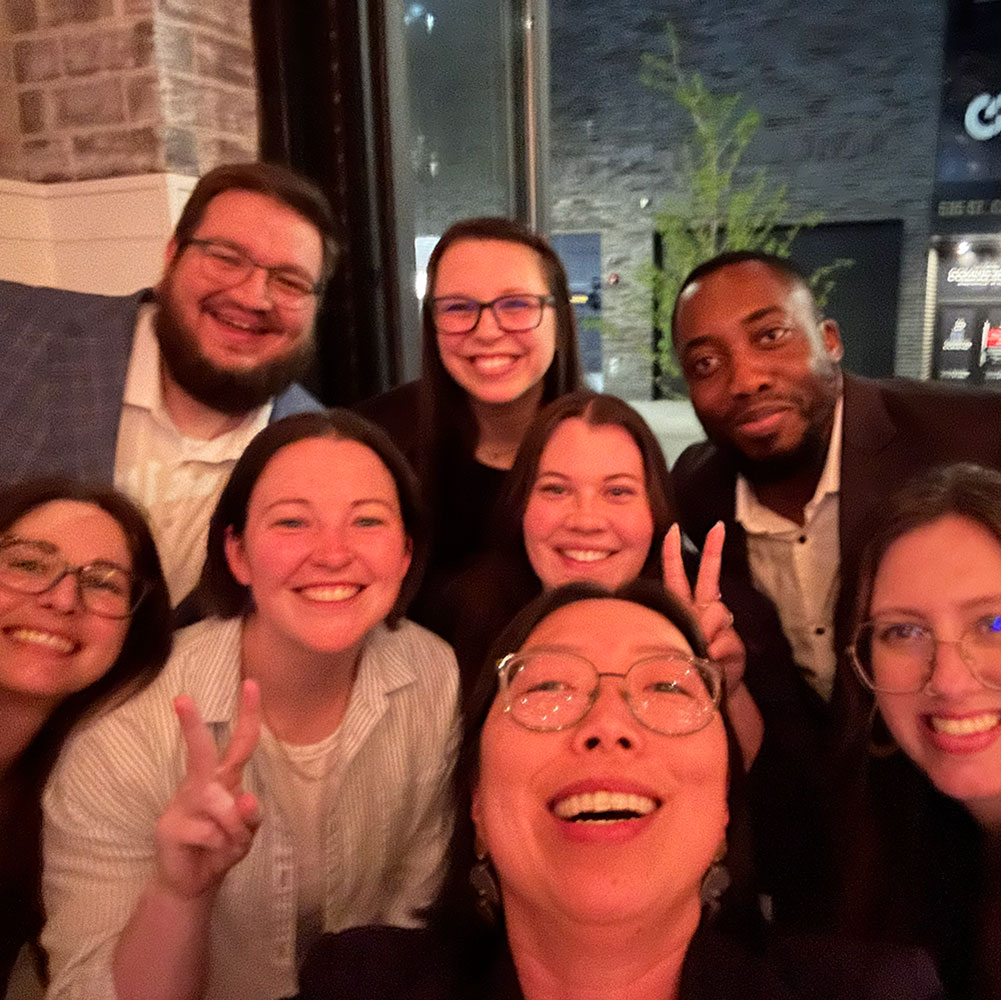

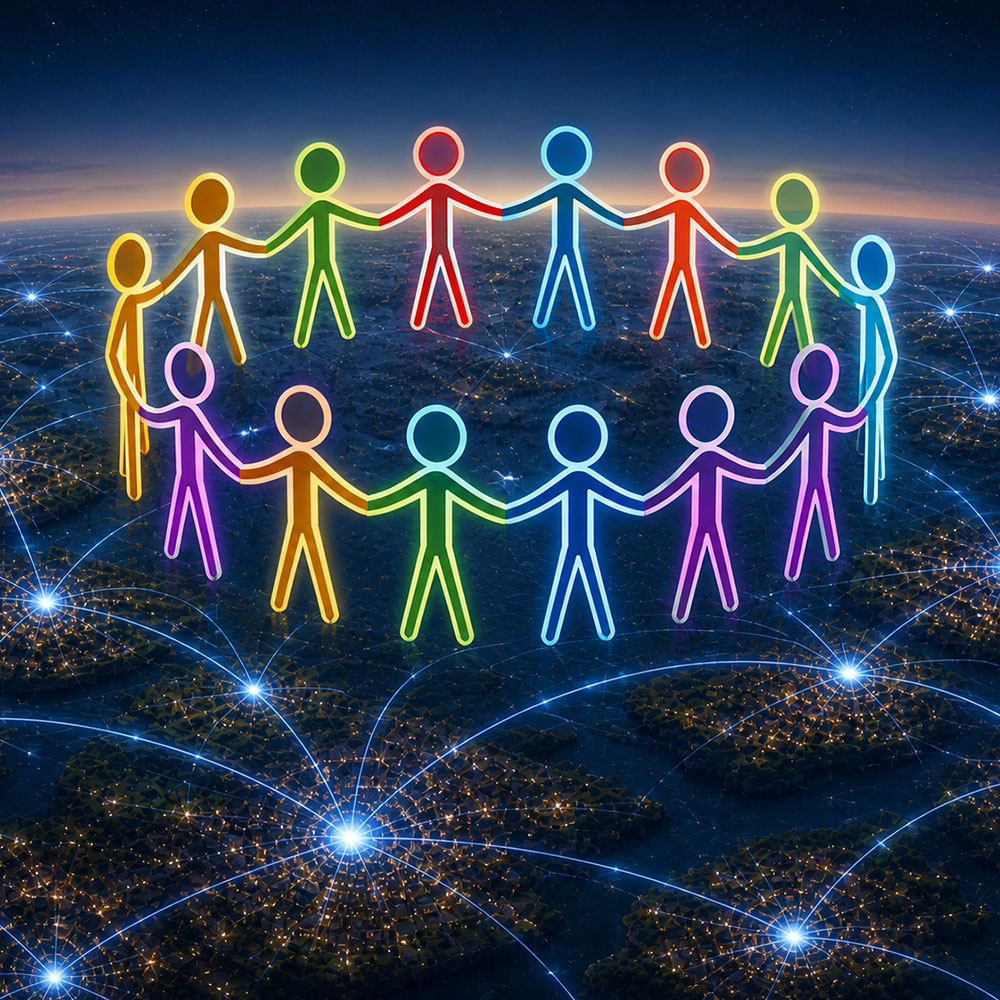
And throughout, I was reminded of the power of regional ecosystems. RENs, libraries, schools, state and local governments, and nonprofits operate at different layers, but when they work together, they act as force multipliers. The most compelling examples I heard weren’t about individual institutions doing extraordinary things alone; they were about communities aligning around shared infrastructure, shared expertise, and shared goals.
If there’s one takeaway I keep returning to, it’s this: infrastructure is necessary, but no longer sufficient. The organizations that will thrive in the future are those pairing advanced technology with human‑centered strategy — grounded in equity, trust, and outcomes. My vision for FY27 is that Link Oregon will be a catalyst for advancing beyond what was once considered invisible infrastructure and developing a cohesive, collaborative vision for impactful infrastructure that serves Oregonians. That’s the work ahead, and it’s encouraging to see so many across the ecosystem, including Link Oregon, committed to making it happen together!
— Jackie